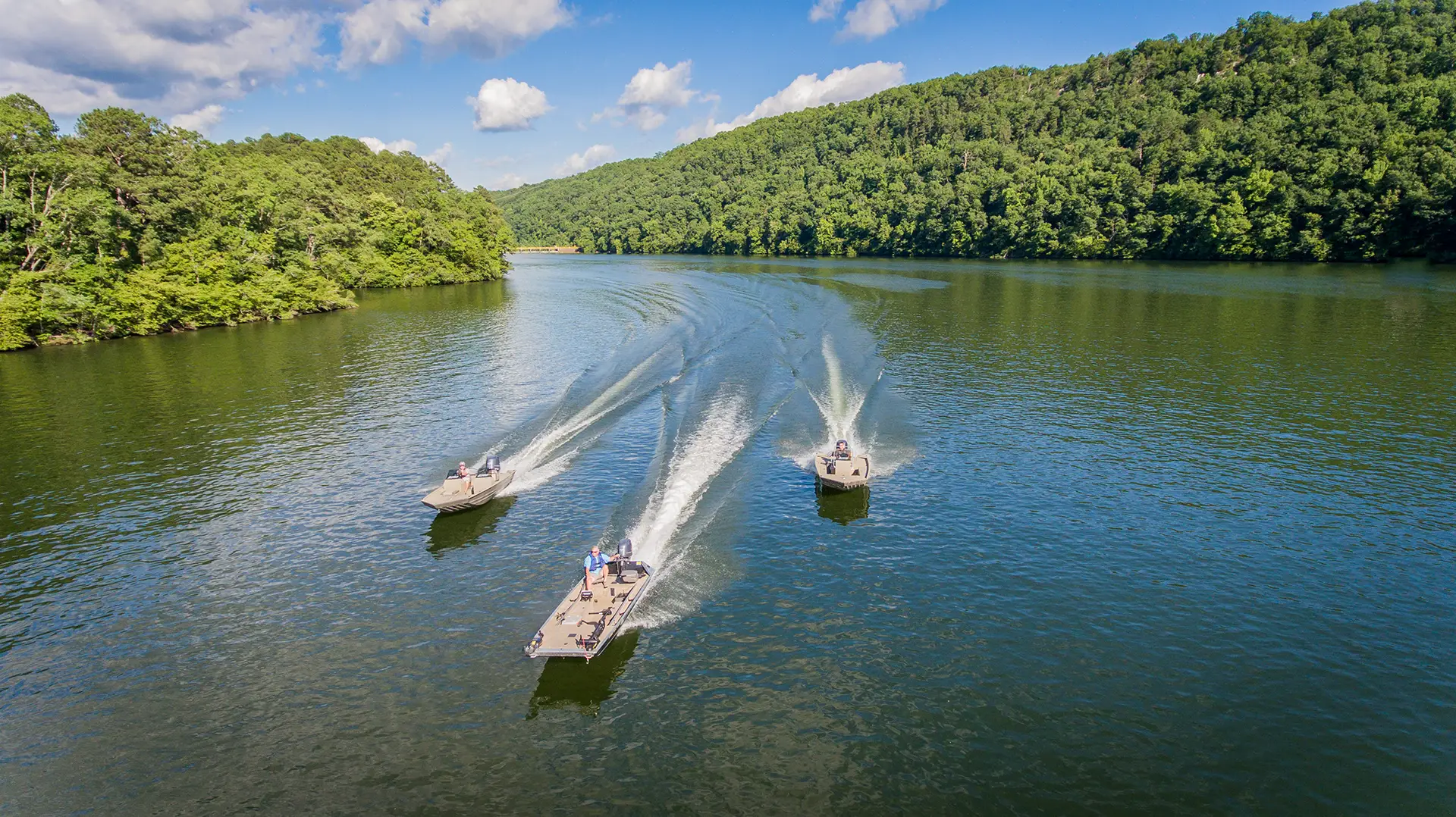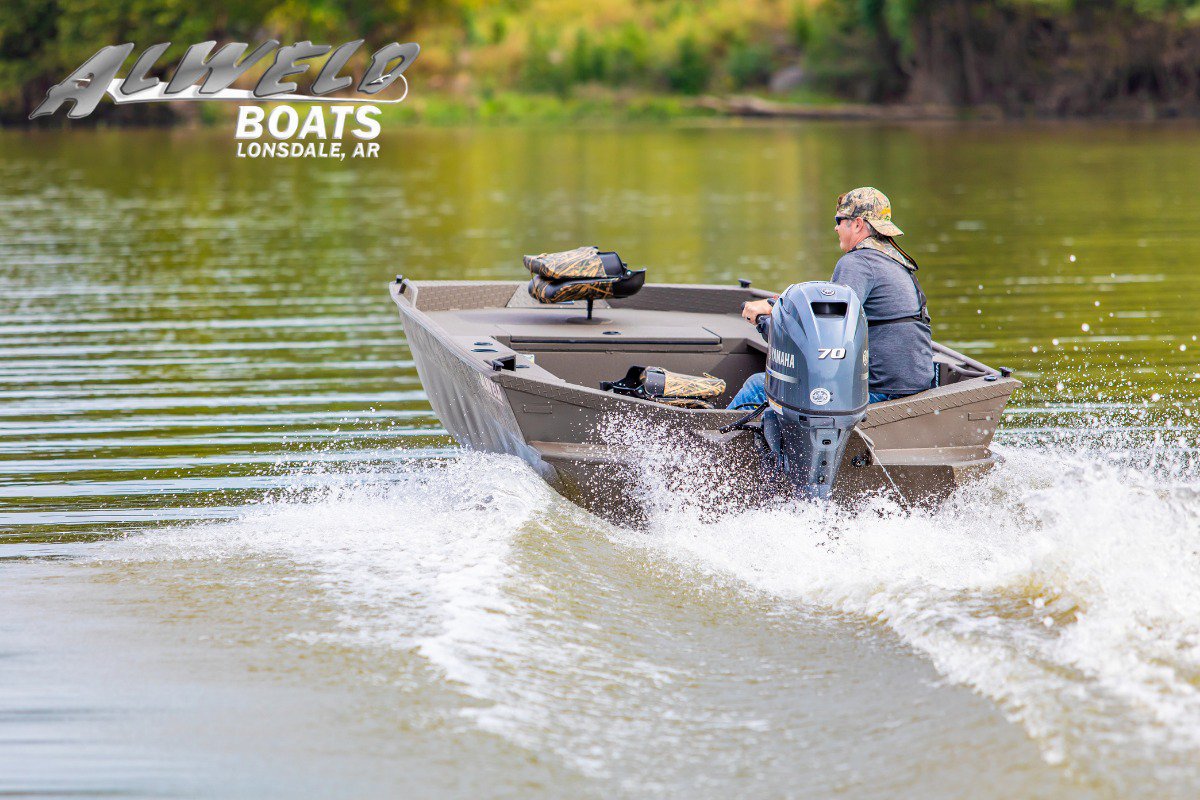
You don't choose flat bottom boats for style points; you choose them to access waters where other hulls can't go. Whether you're navigating flooded timber for duck season, fishing narrow backwaters full of stumps, or working in shallow commercial environments, you need a hull that floats high and keeps moving when others get stuck. Alweld’s flat bottom designs deliver exactly that capability, with rugged aluminum construction built to handle whatever shallow water throws at you.
Key Takeaways
- Shallow Water Access: Flat bottom hulls provide minimal draft, enabling navigation in 6-8 inches of water, compared to 10-12 inches for many aluminum V-hulls.
- Stability Advantages: Wide, flat hulls offer superior stability for standing, casting, and equipment operation in calm water conditions
- Model-Specific Applications: Alweld’s Jon Series fits solo anglers or light hunting use, while the Marsh and Outlaw Series accommodate two or more people plus gear for extended trips.
- Construction Benefits: All-welded aluminum construction provides durability without weight penalties found in heavier materials
- Environmental Limitations: Flat hulls are not optimized for rougher water, where wave action can create a firmer ride and reduced handling; calm and shallow water is best.
- Customization Options: Alweld’s Marsh and Outlaw Series offer specialized configurations for hunting, fishing, and commercial applications
Why Flat Bottom Boats Dominate Shallow Water Environments
Flat bottom boats achieve their shallow water advantage through fundamental hull design principles. The wide, flat hull distributes weight across maximum surface area, creating minimal draft that allows navigation in extremely shallow conditions.
The Physics of Shallow Water Performance: Flat Bottom Boats
Draft Reduction: Alweld’s flat bottom designs typically draw 6-8 inches of water compared to 10-12 inches for many aluminum V-hull boats. This difference opens access to backwater fishing spots, flooded timber hunting areas, and shallow commercial work zones that remain off-limits to deeper-draft vessels.
Weight Distribution: The flat hull spreads vessel weight evenly across the water surface rather than concentrating it in a narrow keel area. This design prevents the boat from cutting into soft bottom sediments that would trap conventional hulls.
Maneuverability: Flat bottoms are more likely to ride up and ease across obstacles such as logs or sandbars, though careful navigation is still required. Alweld’s reinforced construction handles these contacts without hull damage that would disable lighter boats.
Optimal Operating Environments for Flat Bottom Boats
Ideal Conditions: Shallow lakes, slow-moving rivers, swamps, flooded timber, and protected bays provide perfect operating environments for flat bottom designs. These boats excel in water depths from 6 inches to 6 feet with minimal current or wave action.
Environmental Advantages: Dense vegetation, submerged logs, and rocky shallows that challenge other hull types become navigable with proper flat bottom design. Duck hunters particularly value this capability for accessing remote hunting spots during seasonal floods.
Limitations to Consider: Flat hulls are best suited for calm, shallow waters; in rougher conditions, wave action can result in a firmer ride and reduced handling compared to V-hulls. Open water exceeding 2-foot wave heights typically requires transitioning to V-hull designs for safety and comfort.
Alweld Flat Bottom Boat Models and Applications
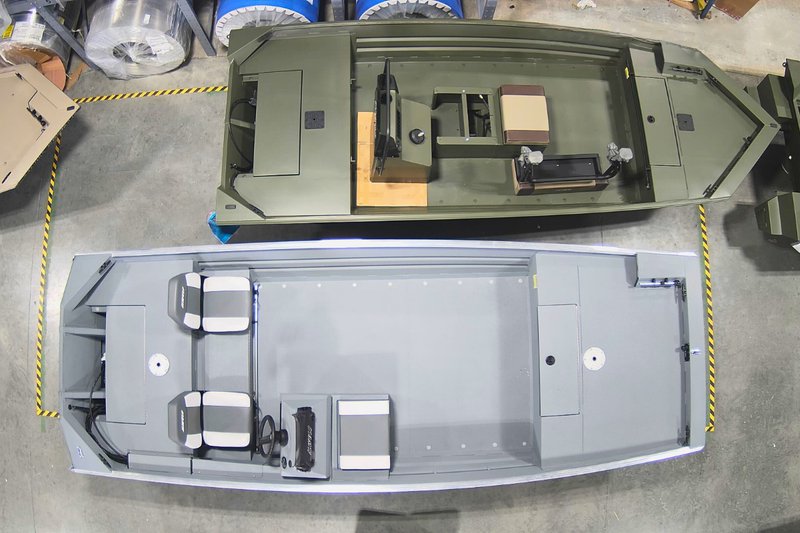
Alweld’s flat bottom lineup addresses specific user requirements through targeted design features and size options.
Solo and Light-Duty Applications: Jon Series
- Specifications: 14-foot length, 42-inch beam width, typically rated for 15-20 HP outboards
- Ideal Use Cases: Single-angler fishing, light hunting applications, small lake exploration
- Benefits: Lightweight design enables easy launching and loading, compact size fits smaller tow vehicles
- Alweld Advantage: All-welded construction eliminates rivet failure points common in competitive models
Versatile Two-Person Configurations: Marsh Series
- Description: Offers multiple layout options for anglers and hunters who want more space and storage without losing shallow-water capability.
- Applications: Two-person fishing trips, duck hunting with decoy loads, or light commercial use.
- Performance: Balanced for agility and strength, pairing efficiently with mid-range outboards.
Specialized Flat Bottom Boats: Marsh and Outlaw Configurations
Marsh Series Features:
- Wide-open layouts optimized for hunting applications
- Treadplate bow and corner reinforcement for durability
- Front deck locking storage for secure gear management
- Available in multiple beam widths for specific stability requirements
Outlaw Series Advantages:
- Sleek profile design for improved performance
- Reinforced construction handles heavy timber navigation
- Customizable layout options accommodate different mission requirements
- Larger models support multiple passengers and equipment loads
Construction Quality and Durability Features
Alweld’s manufacturing approach delivers performance advantages that matter in demanding shallow water environments.
All-Welded .080 and .100-Gauge Aluminum Construction
Structural Integrity: Welded seams eliminate potential leak points found in riveted construction. This design approach prevents gradual failure that sidelines riveted boats over time.
Material Advantages: Marine-grade aluminum provides an optimal strength-to-weight ratio while resisting corrosion in both freshwater and saltwater environments.
Impact Resistance: Reinforced construction handles contact with rocks, logs, and bottom obstacles without the denting or puncture risks associated with thinner materials.
Maintenance and Longevity Considerations
Corrosion Resistance: Marine-grade aluminum construction requires minimal maintenance compared to steel alternatives that demand regular rust prevention.
Repair Accessibility: Welded aluminum construction enables field repairs using standard welding equipment, unlike specialized riveting tools required for riveted hulls.
Storage Requirements: Aluminum construction tolerates outdoor storage better than fiberglass alternatives that suffer UV damage and gelcoat deterioration.
Selecting the Right Flat Bottom Boat Configuration
Matching flat bottom boat specifications to intended use ensures optimal performance and value.
Capacity and Size Considerations
Solo Applications: Alweld’s Jon Series provides sufficient space and stability for single users while maintaining easy handling characteristics.
Two-Person Requirements: The Marsh Series accommodates two adults plus gear without compromising stability.
Family and Group Use: 18+ foot models support multiple passengers and extended trip requirements, though they require larger tow vehicles and launch facilities.
Motor Selection and Performance Matching: Flat Bottom Boats
Power Recommendations:
Pair the Jon Series with smaller outboards for maneuverability, and equip Marsh or Outlaw Series boats with mid- to higher-range motors depending on load.
Performance Considerations: Overpowering small hulls reduces efficiency and creates safety risks, while underpowering larger boats limits functionality in current or with heavy loads.
Customization Options for Specialized Applications
Fishing Enhancements: Rod holders, live wells, casting decks, and fish finders integrate easily with Alweld’s open layout designs.
Hunting Modifications: Blind configurations, camouflage patterns, and gear storage systems adapt boats for waterfowl hunting requirements.
Commercial Applications: Work platforms, equipment mounts, and specialized storage solutions support professional use requirements.
Maintenance and Care Requirements
Proper maintenance of flat bottom boats extends service life and maintains performance in demanding shallow water conditions.
Routine Maintenance Procedures for Your Flat Bottom Boats
Post-Use Care: Aluminum doesn’t rust, but electrolysis can occur if saltwater or minerals are left on the surface. A quick freshwater rinse after each use prevents buildup and keeps your hull in top shape.
Inspection Points: Regular checks of welds, drain plugs, and motor mount areas identify potential issues before they require major repairs.
Storage Considerations: Covered storage protects aluminum surfaces and extends component life, though Alweld construction tolerates outdoor storage better than alternative materials.
Performance Optimization: Flat Bottom Boats
Seasonal Preparation: Proper winterization protects engines and systems during storage periods, while spring commissioning identifies any issues before the season starts.
Your flat bottom boat choice determines access to fishing spots and hunting areas that others can't reach. Alweld’s commitment to rugged, practical design means you get dependable performance where it matters most—in shallow water conditions that challenge lesser boats.
Choose Excellence When You Choose Alweld
Whether you need a lightweight Jon Series boat for solo adventures or a fully equipped Marsh or Outlaw Series model for serious hunting and fishing, Alweld delivers the construction quality and design features that perform when standard boats fail. Explore Alweld’s complete flat bottom boat lineup to find the setup that matches your specific requirements, and discover why serious shallow-water anglers and hunters choose Alweld’s proven designs.