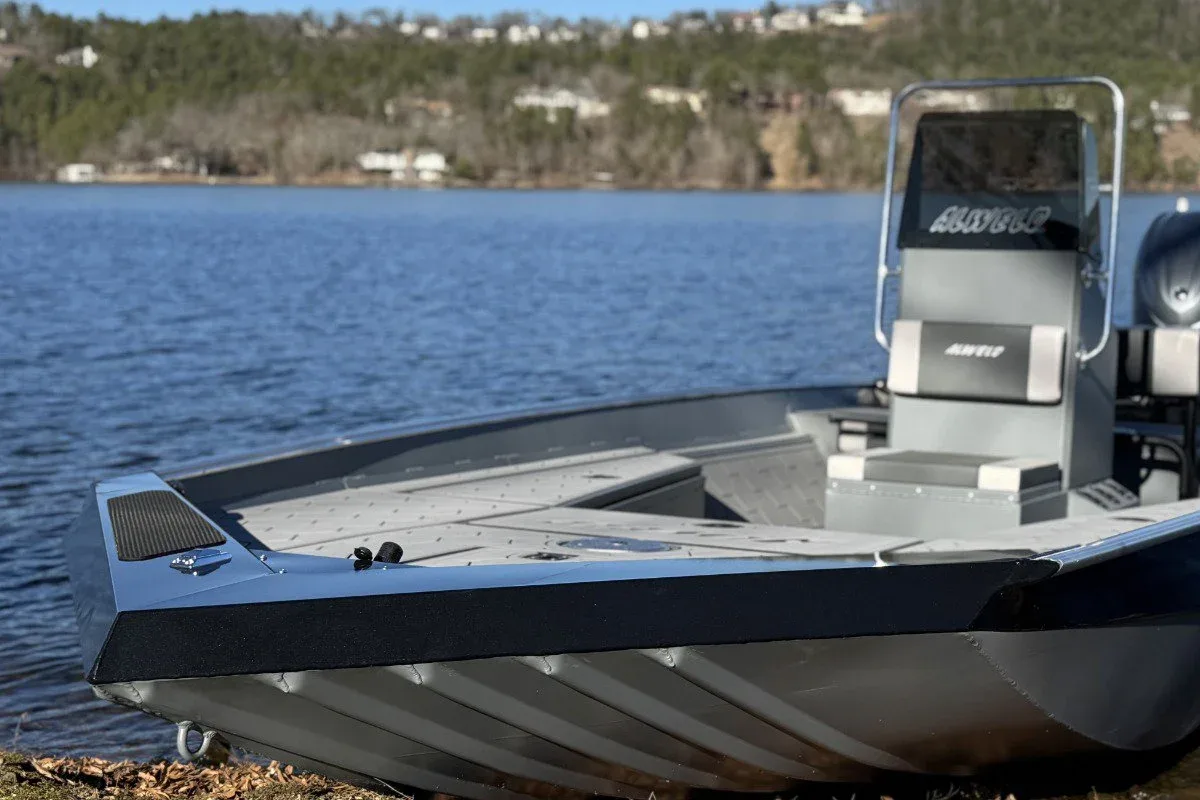
Cleaning aluminum boat hulls starts with rinsing off loose debris, scrubbing with a pH-neutral, aluminum-safe soap, and applying a mild cleaner only where buildup remains. Use soft tools, rinse thoroughly, and always dry to prevent spotting. For product recommendations specific to your finish, contact your local authorized dealer.
Your hull picks up grime fast. Scum lines, mineral stains, and algae are just part of running a boat hard. The problem isn't the mess, it's using the wrong products to deal with it. Harsh chemicals, abrasive pads, and fiberglass cleaners can dull aluminum, strip protective finishes, and cost you far more than a messy hull ever would. Here's how to keep your aluminum clean the right way.
Key Takeaways:
- Pull the boat out of the water and let the hull dry before cleaning
- Use pH-neutral, aluminum-safe soap for routine washes
- Mild solutions like a 1:1 vinegar-and-water mix handle light mineral staining
- Avoid wire brushes, steel wool, harsh acids, bleach, and fiberglass cleaners
- For finish-specific product recommendations, contact your local authorized Alweld dealer
How Do You Prep to an Aluminum Boat Hull for Cleaning?
Start by pulling the boat out of the water and securing it on level ground. Then, let the hull dry completely before you start. Dry grime is easier to spot, and you'll identify oxidation and mineral staining much faster than on a wet surface.
Work in shade when you can. Sun and heat cause cleaners to dry before you can rinse them, which leads to streaking and potential surface damage.
If you're washing at home, choose an area where runoff won't enter a storm drain. Many marinas offer dedicated wash stations, so use that if it's available.
Note: If your hull has paint, decals, or a protective coating, contact your local authorized dealer before cleaning. Alweld is not responsible for damage caused by improper cleaning, and always recommends consulting your dealer for finish-specific guidance.
What Tools Do You Need for Cleaning an Aluminum Boat Hull?
Common tools include:
- Soft-to-medium nylon brush (long-handled is best for larger hulls)
- Wash mitt or soft sponge
- Soft scrubbing pad (applied with light pressure)
- Plastic scraper with smooth edges (for stubborn buildup)
- Microfiber towels (for drying and buffing)
- A hose with a spray nozzle + a bucket
The right tools protect the surface while still getting it clean.
Avoid wire brushes, steel wool, abrasive pads, and metal scrapers or putty knives. These can scratch and dull the finish. Also, it’s important to know that cleaners made specifically for fiberglass don't belong on aluminum.
Always wear gloves, goggles, and long sleeves when working with any cleaning product. Your local authorized dealer can point you to the right products and tools for your specific hull.
The Four-Step Process for Cleaning Aluminum Boat Hulls
Consistent method prevents accidental damage from over-scrubbing or overusing chemicals. Follow the same steps every time.
1. Rinse Off the Hull
Rinse away loose sand, salt, and debris before scrubbing your boat’s hull. This keeps you from grinding abrasives into the aluminum during the next step.
If you use a pressure washer, keep the pressure low and use a wide fan tip at least 6 inches from the surface. Use steady, even passes; avoid concentrated spot blasting in one area.
2. Scrub with Soap from Top to Bottom
Mix a pH-neutral, aluminum-safe boat soap in a bucket and scrub in straight strokes from top to bottom. Rinse frequently so soap and grit don't dry on the surface.
Pay close attention to steps, chines, and edges where buildup tends to collect. The waterline band is one of the most common areas for scum and staining. Don't skip the transom, because exhaust and engine residue accumulates there too.
3. Apply an Aluminum-Safe Cleaner Only Where It's Needed
Welded aluminum is easy to dull or discolor if a cleaner is too strong, applied too long, or allowed to dry on the surface. Start with the mildest option that gets the job done.
For light mineral marks and grime, a 1:1 vinegar-and-water mix or a gentle baking soda paste works well. Apply briefly, scrub lightly, and rinse thoroughly before it dries.
Avoid harsh acids, bleach and chlorine, aggressive abrasives, and all-in-one fiberglass cleaners. Always spot-test a cleaner in a small area first. If you're unsure what's safe for your hull's specific finish, ask your authorized Alweld dealer before applying anything.
4. Rinse and Dry Completely
Rinse thoroughly with fresh water until every trace of cleaner is gone. Dry with microfiber towels. Standing water leaves behind mineral deposits that make your next cleaning harder, so drying isn't optional.
Why Does Aluminum Need Specific Care?
Aluminum can oxidize or discolor when exposed to harsh chemicals. The goal is cleaning the hull thoroughly without stripping its protection or scuffing the surface.
Alweld builds all-welded aluminum boats, which makes hull cleaning more manageable than most riveted designs. Welded hulls have fewer seams and crevices where grime hides, surfaces clean faster, and marine-grade aluminum holds up well with the right cleaners and regular rinsing.
How Often to Clean Your Hull
The best maintenance schedule for cleaning aluminum boat hulls depends on how often you're on the water and where.
Saltwater boats need a fresh water rinse after every trip. Because, salt that dries on the hull and works into joints can speed up corrosion. A full wash should follow within hours of leaving saltwater.
Freshwater boats can go longer between deep cleans. A full cleaning every month or so keeps buildup manageable. Between sessions, a quick wipe-down with a microfiber cloth after each outing prevents dirt from bonding to the metal.
Frequently Asked Questions: Cleaning Aluminum Boat Hulls
| Question | Simple answer |
|---|---|
| What causes yellow or brown stains on aluminum hulls? | Most are from tannins, minerals, and organic debris in the water. They’re common in rivers and lakes, especially where mineral content is high. |
| How do I remove yellow or brown stains safely? | Start gentle: wash with boat soap first. If needed, try a vinegar-water mix or an aluminum-safe cleaner. Work in small sections, keep contact time short, use light scrubbing, and rinse well. Don’t let cleaners dry on the hull or sit on bare aluminum. |
| What does oxidation look like on bare aluminum? | Oxidation looks dull, chalky, or whitish. It forms naturally from air and moisture and shows more on bare aluminum than painted surfaces. |
| How do I treat mild oxidation? | Use a marine aluminum polish and microfiber towels. Work small areas at a time. Even results matter more than pressing hard. |
Safety and Environmental Responsibility
Clean boat hull on land whenever possible, ideally at a wash station with proper drainage. Choose biodegradable, phosphate-free products when available. Always wear gloves and eye protection, as many cleaners can burn skin and eyes on contact. Follow local regulations for runoff and disposal, especially near marinas and storm drains.
Protect Your Investment
A clean hull isn't only about looks. It reduces drag, improves performance, and helps your aluminum boat stay protected season after season. Use aluminum-safe products, soft tools, and a routine you can repeat without second-guessing.
For product recommendations and finish-specific guidance, reach out to your nearest authorized Alweld dealer. They can walk you through a cleaning routine built around your model, your water, and how you fish.