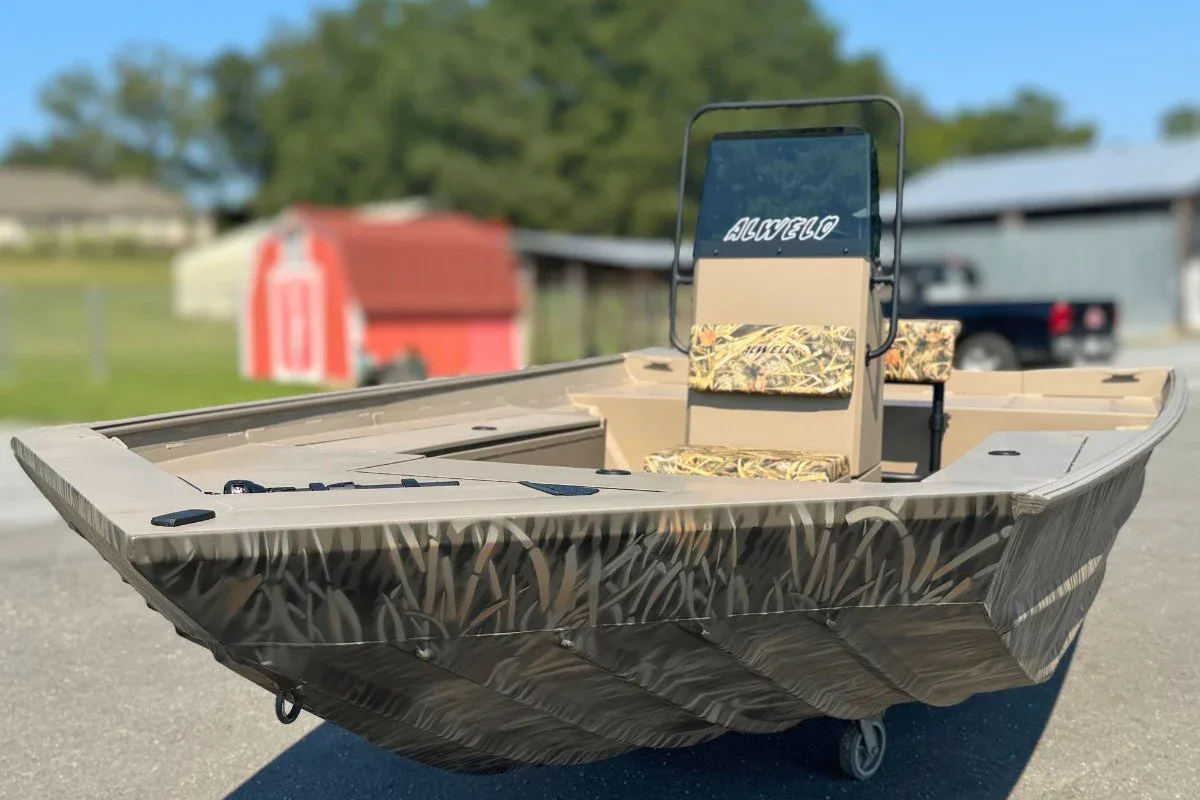
Proper cleaning habits are essential for keeping your boat hull in top condition. If your goal is better performance, less wear and tear, or a sharp-looking finish, a clean hull will glide more efficiently through the water. The key is knowing which boat hull cleaning tips actually deliver results, and which ones are more likely to cost you time or damage the surface. For Alweld's welded aluminum hulls, the right approach protects your investment and maximizes performance season after season.
Key Takeaways:
- Best Cleaning Method: Out-of-water, four-step process (rinse, scrub, apply cleaner, rinse + dry)
- Aluminum-specific care: Use soft brushes, plastic scrapers, and aluminum-safe cleaners
- Best tools: Long-handled brush, plastic scraper, soft pad, and pH-neutral products
- Cleaning frequency: Every 2 to 3 months, and always before storage
- Performance boost: A clean hull equals better speed and fuel efficiency
- Preventive measures: Proper storage, and seasonal maintenance
- Professional help: Authorized Alweld dealers can recommend products and services
What Are the Best Tips for Cleaning Your Boat Hull?
Cleaning starts by getting the boat out of the water. That gives access to every part of the hull and helps keep cleaners out of natural water sources. Many boaters use a trailer for home cleaning or visit a marina with proper wash stations.
The Four-Step Hull Cleaning Process
Typical tips for cleaning your boat hull include a four-step clean.
1. Rinse Off the Hull
Use a hose or light-pressure washer to wash away loose grime and dirt. Focus on waterlines, props, and under the rub rail. Waiting too long lets stains harden and makes cleaning harder. For aluminum hulls, keep pressure washers at least 12 inches away from the surface.
2. Scrub with Soap
Fill a bucket with marine-safe boat soap and warm water. Then, use a soft brush in even strokes, working from top to bottom. Avoid swirling, which creates streaks. Use plastic scrapers, never metal, to protect your Alweld’s finish.
3. Apply Aluminum-Safe Hull Cleaner
Use cleaners specifically formulated for aluminum hulls. Avoid harsh acid-based products that can damage aluminum or cause oxidation. However, your authorized Alweld dealer can recommend the safest products for your specific boat model and finish. Always wear gloves and goggles when using any hull cleaner.
4. Rinse and Dry
Use fresh tap water to rinse off all cleaners completely. Any residue left on aluminum can cause spotting or discoloration. Then, wipe dry with a towel or shammy to prevent water spots.
Boat Hull Cleaning Tips for Alweld’s Welded Aluminum Construction
Alweld's all-welded aluminum hulls offer real advantages when it comes to cleaning and maintenance. Unlike riveted aluminum boats or other hull materials, Alweld's seamless welded construction means no crevices where grime can hide. The smooth, durable surface resists staining and stands up to regular cleaning without degrading.
Why Does Aluminum-Specific Care Matter?
Aluminum requires different care than other hull materials. The right approach protects the metal and maintains the finish:
- Use aluminum-safe products. pH-neutral or aluminum-specific cleaners prevent oxidation and discoloration. Harsh acid-based cleaners can damage aluminum, and also may void your warranty.
- Choose soft tools. Soft-bristle brushes and plastic scrapers prevent scratching the finish. Metal tools can gouge aluminum and create spots where corrosion starts.
- Clean regularly. Salt buildup causes pitting on aluminum if left too long. Regular cleaning prevents permanent damage and keeps your hull smooth.
- Rinse thoroughly. Any cleaner residue left on aluminum can cause discoloration. Complete rinsing is critical for aluminum hulls.
Are There Advantages to Cleaning An Aluminum Boat Hull?
Your welded Alweld construction has benefits that inherently make cleaning easier:
- Seamless surface. No rivets or seams mean nowhere for grime to collect. The smooth hull wipes clean faster.
- Corrosion resistance. Marine-grade aluminum resists rust and corrosion better than many materials, especially with proper care.
- Durability. Alweld hulls handle regular cleaning without degrading. The welded construction stays strong season after season.
- Easy maintenance. Aluminum doesn't require the intensive care of some other hull materials. Simple, regular cleaning keeps it looking great.
For specific cleaning recommendations for your Alweld model, consult your authorized dealer. They understand the construction and can suggest the best products and schedule for your use.
Does Scrubbing or Pressure Washing Work Better?
Brushes and sponges give full control, while pressure washers clean faster and reach difficult spots. Each has a place in hull cleaning.
What Are The Hand Scrubbing Benefits?
Manual scrubbing with brushes is ideal for light stains and smaller boats. This method lets you feel where the buildup is hiding and gives precise control. You can also adjust pressure based on what you're cleaning and avoid sensitive areas. However, it's more physical work and takes longer than pressure washing.
Pressure Washing Considerations
Pressure washers clean faster and reach spots that are hard to scrub by hand. For aluminum hulls, use no more than 1,500 PSI and keep the nozzle at least 12 inches from the surface. However, too much pressure can damage paint or the protective finish on aluminum.
NOTE: Pressure washing should not be used on interior deck surfaces with non-skid or Reflex coatings. These textured finishes can be damaged by high pressure. For interior decks try hand washing, and use any pressure washing with extreme caution.
Many boaters use both methods: pressure wash for the heavy buildup, and hand scrub the fine details and sensitive areas.
Your authorized Alweld dealer can provide specific guidance on the best cleaning approach for your boat model and local conditions.
Boat Hull Cleaning Tips: Choosing the Right Tools
Well-chosen tools and cleaners make the job faster, protect your finish, and reduce effort next time.
What tools work best for cleaning an aluminum boat hull?
A good toolkit includes a long-handled brush, a plastic scraper, and a soft scrubbing pad. Make sure brush bristles are strong enough to clean, but not so firm that they scratch.
Which scraper should you use for boat hull cleaning?
Always use plastic scrapers on aluminum hulls. Metal scrapers can chip paint, scratch the finish, or create spots where corrosion starts. Choose smooth-edged tools and keep them clean to avoid transferring grit that could scratch the surface.
Aluminum-Safe Cleaners vs. Harsh Acids
Use products specifically labeled safe for aluminum. Biodegradable, pH-neutral marine cleaners work well for regular maintenance and won't harm nearby water or wildlife.
Avoid harsh acid-based cleaners marketed for other hull materials. These can damage aluminum, cause oxidation, or create discoloration. When in doubt, ask your Alweld dealer for product recommendations that won't void your warranty or damage your hull.
Does Hull Type Affect Tool Choice?
Yes. Alweld's aluminum hulls need soft tools and gentle, aluminum-safe cleaners. However, your dealer can recommend the right tools and products for your specific boat.
How Can a Clean Hull Improve Performance?
Clean hulls save fuel and perform better in every condition.
Any film or buildup creates drag and resistance. Even light fouling can lower speed or increase fuel consumption by 10%. Any heavier buildup might slow you down, or even increase your fuel usage on some trips.
Handling also improves with clean hulls. Boat movements become more responsive, turns get smoother, and the boat rides more predictably in rough water.
If your Alweld feels slow or requires more throttle for the same speed, check the hull. Cleaning often solves the problem immediately.
What Safety Precautions Should You Take During Hull Cleaning?
Always wear gloves, goggles, boots, and durable clothes. Harsh cleaners can harm skin and eyes. Gear protects against burns, splashes, and accidents.
How Should You Store and Dispose of Products?
Store supplies away from heat, flame, or food. Lock them in a dry place and label them clearly. Additionally, use absorbents like kitty litter for leaks, and follow your local waste center’s disposal rules.
What Environmental Rules Apply?
Alweld owners care about the waters they boat in. Protecting these resources matters:
- Clean on shore. Always clean your hull out of the water, on land or at designated wash stations with proper drainage systems.
- Use biodegradable products. Choose phosphate-free, environmentally safe cleaners that won't harm aquatic life.
- Collect runoff when possible. Some wash stations capture and treat runoff. Use these facilities when available.
- Follow local regulations. Many states and waterways have strict rules about cleaning boats in or near water. Violations can result in heavy fines.
- Dispose properly. Never dump cleaning products, rinse water with chemicals, or waste into storm drains or natural water sources.
Protecting waterways ensures they're there for future fishing trips, hunts, and family outings. Responsible cleaning is part of being a good steward of these resources.
What Are the Signs It’s Time to Clean the Hull?
Sluggish speed, rising fuel use, visible grime, and/or a rough texture along the hull are all signs it’s time for a cleaning.
Clean every 2 to 3 months during the season. And, if you store your boat in the water, inspect the hull monthly for buildup.
Trailered Boats
If you trailer your boat, inspect the hull after every trip. River stains and lake residue return quickly. A quick rinse after each outing prevents buildup that becomes harder to remove later.
Clean boats run smoother, cost less to fuel, and last longer. Regular attention prevents problems before they start.
For cleaning schedules specific to your region and usage, consult your authorized Alweld dealer. They understand local conditions and can recommend the right frequency for your situation.
Protect Your Alweld Investment With Proper Hull Care
Hull care starts with attention and the right approach. The more effort you put into regular cleaning, the smoother your trips and the fewer surprises you'll face.
Alweld boats are built to last a lifetime with welded aluminum construction that resists corrosion and handles harsh conditions that damage other materials. Regular hull cleaning protects that investment, ensures peak performance, and keeps your boat looking sharp season after season.
Keeping your hull clean means more speed, less fuel consumption, and fewer problems. You've learned the four-step cleaning process, what tools work best for aluminum, when to clean, and how to protect both your boat and the environment. Clean hulls perform better, maintain value, and last longer.
For aluminum-specific cleaning recommendations, product suggestions, and professional hull care services, contact your nearest authorized Alweld dealer. They understand Alweld's welded construction and can help you maintain your boat properly for years of reliable performance.
Don't let hull buildup rob you of performance or damage your investment. Keep your Alweld clean and ready for your next adventure on the water.