Winter weather can take a real toll on your vessel; without proper preparation, you could face costly repairs by spring. Many boats suffer avoidable damage simply because owners don't understand what needs protection during the offseason. You made a solid investment in an Alweld boat, and understanding the winterization process helps you protect that investment. That’s why it’s crucial to learn what systems need attention and why professional services matter (rather than a DIY boat winterization checklist). You'll be ready when the thaw comes.
Disclaimer: This guide provides general information about boat winterization. Engine winterization requirements vary significantly by manufacturer, model, and year. Always consult your engine manufacturer's manual and an authorized Alweld dealer for procedures specific to your setup.
Key Takeaways
- Inspection is vital: Multiple systems require professional assessment before storage
- Engine complexity: Modern engines have varying winterization requirements that differ by manufacturer
- Fuel care: Stabilization prevents expensive fuel system damage
- Battery storage: Proper care extends battery life significantly
- Professional advantage: Authorized dealers follow manufacturer specifications and protect warranties
- Timing matters: Complete winterization before temperatures consistently drop below 40°F
- Aluminum advantage: Alweld's welded construction resists corrosion, but still needs proper care
What Systems Need Protection in Your Boat Winterization Checklist?
Understanding what's at risk helps you appreciate why thorough winterization matters. Your boat has multiple systems vulnerable to freezing temperatures, each requiring specific attention.
| System/Area | Why It Matters |
|---|---|
| Hull and structure | Buildup can speed up corrosion/oxidation over time. Small damage can get worse during winter storage. |
| Propeller and drive components | Debris or damage around the propeller and lower unit can lead to vibration, seal wear, and performance issues if left unaddressed before storage. |
| Fuel system | Your dealer ensures the fuel stabilizer is properly circulated through your entire fuel system. |
| Plumbing and water systems | Any trapped water can freeze, expand, and crack hoses or damage pumps. |
| Electrical systems (battery + electronics) | A low battery can freeze and be permanently damaged. Clean terminals reduce corrosion. Electronics last longer when kept out of extreme temps. |
| Engine and cooling systems | The wrong process can cause freeze damage (including a cracked block) and expensive repairs. |
The most reliable preparation is done by a professional.
A common professional boat winterization checklist includes:
- Guaranteed manufacturer-compliant procedures
- Warranty protection
- Comprehensive system inspection
- Early problem detection
- Documentation for insurance or resale
- Peace of mind
What Should I Do To Protect My Engine This Winter?
Engine winterization is not universal, and outdated advice can cause serious damage. This is where engine manufacturer guidance becomes critical.
A single mistake, like adding antifreeze to an engine designed for drainage only, or failing to drain an engine that requires it, can result in a cracked engine block worth thousands of dollars. Authorized Alweld dealers have certified technicians trained on multiple engine brands and models who follow manufacturer specifications exactly.
Professional Engine Winterization: Common Questions and Services
These procedures require understanding your specific engine's needs, having the right tools and products, and knowing the correct sequence of steps. This is why professional winterization protects both your engine and your warranty.
How Do You Know If Your Engine Needs Antifreeze?
Whether your engine needs antifreeze and what type, depends entirely on your specific engine. Many modern outboards are designed for complete drainage and should not have antifreeze added. Adding it incorrectly can cause damage or void warranties. Other engines absolutely require specific antifreeze products pumped through the cooling system until it exits the exhaust.
The type of antifreeze matters too. Marine-grade propylene glycol (pink, non-toxic) is different from automotive antifreeze and is the only acceptable option when antifreeze is needed. But again, your engine's manual and an authorized dealer determine whether this applies to your setup.
The Fogging Oil Debate
Fogging oil creates a protective coating on internal engine components to prevent rust during storage. However, this is not universally recommended. Some modern EFI and DFI engines should not be fogged, while older carbureted engines often benefit from it. Engine manufacturers provide specific guidance, and following the wrong advice for your engine type can create problems.
Internal Lubrication
Engine oil and gear oil may need changing before storage, depending on your engine type and the condition of existing fluids. Warm, used oil can contain water and fuel that damage components over time. Lower unit gear oil that appears milky indicates a seal leak requiring professional repair before storage.
What Can You Handle Yourself?
Some winterization tasks are straightforward and low-risk, such as washing grime off the exterior and removing all interior items (like gear, life jackets, cushions, etc.). Remember to dry everything completely, with all compartments open; this helps prevent mold and mildew.
Your Low-Risk Boat Winterization Checklist
- Check your hull for dents, cracks, or other obvious damage
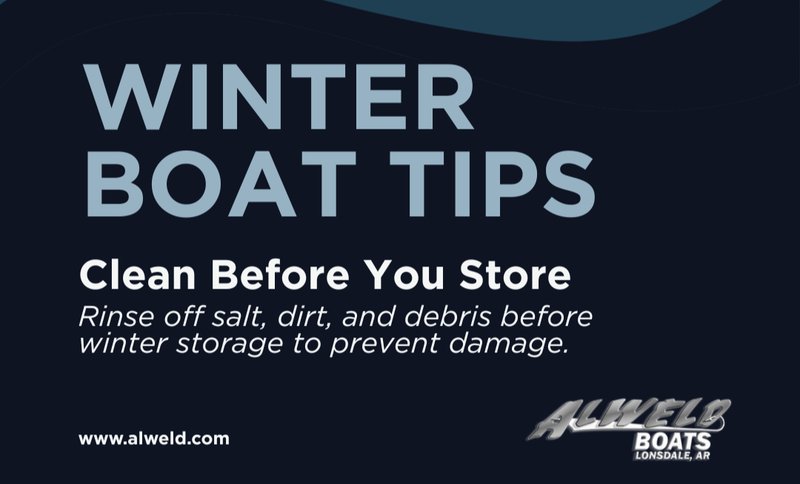
- Wash the exterior thoroughly to remove salt, dirt, and aquatic weeds
- Remove all life jackets, cushions, fabric, and gear
- Open all compartments and hatches to allow complete drying
- Remove any food items or organic material
- Disconnect the battery, charge it fully, and store it in a cool, dry location
- Tighten any loose screws or bolts on accessories or rail fittings.
- Check for rust or corrosion on metal components
Your Alweld aluminum hull is built for tough conditions, but it still needs regular cleaning and checks. Before storing the boat, inspect the hull for dents or cracks that could get worse during winter. When in doubt, always consult with your authorized Alweld dealer.
Why Professional Winterization Protects Your Investment
The cost of professional winterization, typically $300 to $600, is modest compared to repairing freeze damage or voided warranties.
Also, many engine warranties require professional maintenance and specific procedures. DIY winterization that doesn't follow manufacturer specifications can void warranty coverage. Professional documentation protects your investment.
Why Is Manufacturer-Specific Expertise Important?
This expertise prevents the costly mistakes that plague DIY winterization.
Authorized Alweld dealers work with multiple engine brands and stay current on manufacturer specifications. They know which engines need antifreeze, which require only drainage, and which modern engines have unique requirements.
What Does A Professional Boat Winterization Checklist Include?
Professional winterization includes inspection of all systems. Technicians often spot developing problems, like a failing seal or corroded connection, before they cause winter damage.
This preventive approach saves money long-term.
What Proper Tools and Products Do They Use?
Marine service facilities have specialized equipment for flushing systems, pressure testing, and applying treatments. They stock manufacturer-approved products and know the correct application procedures. This isn't just about having the right supplies; it's about knowing how to use them properly for your specific engine.
Your Boat Winterization Checklist: What to Discuss With Your Dealer
When scheduling professional winterization, here's what to ask about:
Before Storage:
- Complete hull and structural inspection
- Propeller and shaft examination
- Engine cooling system protection (method specific to your engine)
- Fuel system stabilization and circulation
- Plumbing system drainage and protection
- Battery service and storage recommendations
- Gear lubrication at all Zerk fittings
- Electronics protection guidance
Storage Recommendations:
- Outboard motor positioning for drainage
- Cover options (shrink wrap vs. breathable covers)
- Trailer tire pressure and bearing maintenance
- Climate considerations for your region
Spring Preparation:
- De-winterization procedures
- Systems testing before launch
- Any repairs or maintenance identified during winterization
When Should You Complete Your Boat Winterization Checklist?
Plan winterization based on how you use your boat seasonally. Boats heading into extended storage should be professionally winterized early, while boats used throughout winter should follow manufacturer-recommended cold-weather care. Fall service schedules can fill quickly, so plan ahead.
Timing is critical for preventing freeze damage. Winterization should be completed before nighttime temperatures consistently drop below 40°F. Even one unexpected cold snap can cause freezing damage to unprepared systems.
In northern states, this typically means early to mid-October. Southern regions have more flexibility, but waiting too long is risky. Weather patterns can shift quickly, and service facilities get busy as temperatures fall.
The Alweld Advantage: Built Tough, Maintained Smart
Alweld boats are engineered for durability and built to last a lifetime. The welded aluminum construction resists corrosion and handles harsh conditions that damage other materials. However, even the toughest boat benefits from proper maintenance and seasonal care.
Your Alweld hull's strength comes from quality materials and construction. Protecting that investment means understanding what systems need attention and ensuring they receive proper care. Winter doesn't wait, and neither should your preparation.
Get Expert Help for Your Boat Winterization Checklist
Winter preparation protects your craft, prevents frustration, and ensures spring boating remains fun and affordable. While Alweld boats are built for durability, proper maintenance is the key to longevity.
For the best results (and to protect both your boat and your warranty), contact one of Alweld's authorized dealers for professional winterization service. Their certified technicians follow manufacturer specifications for every engine type and can identify potential issues before they become expensive problems.
Don't let winter damage steal your spring season. Find your nearest authorized Alweld dealer today and ask how to schedule your winterization before temperatures drop. Your investment deserves expert care.